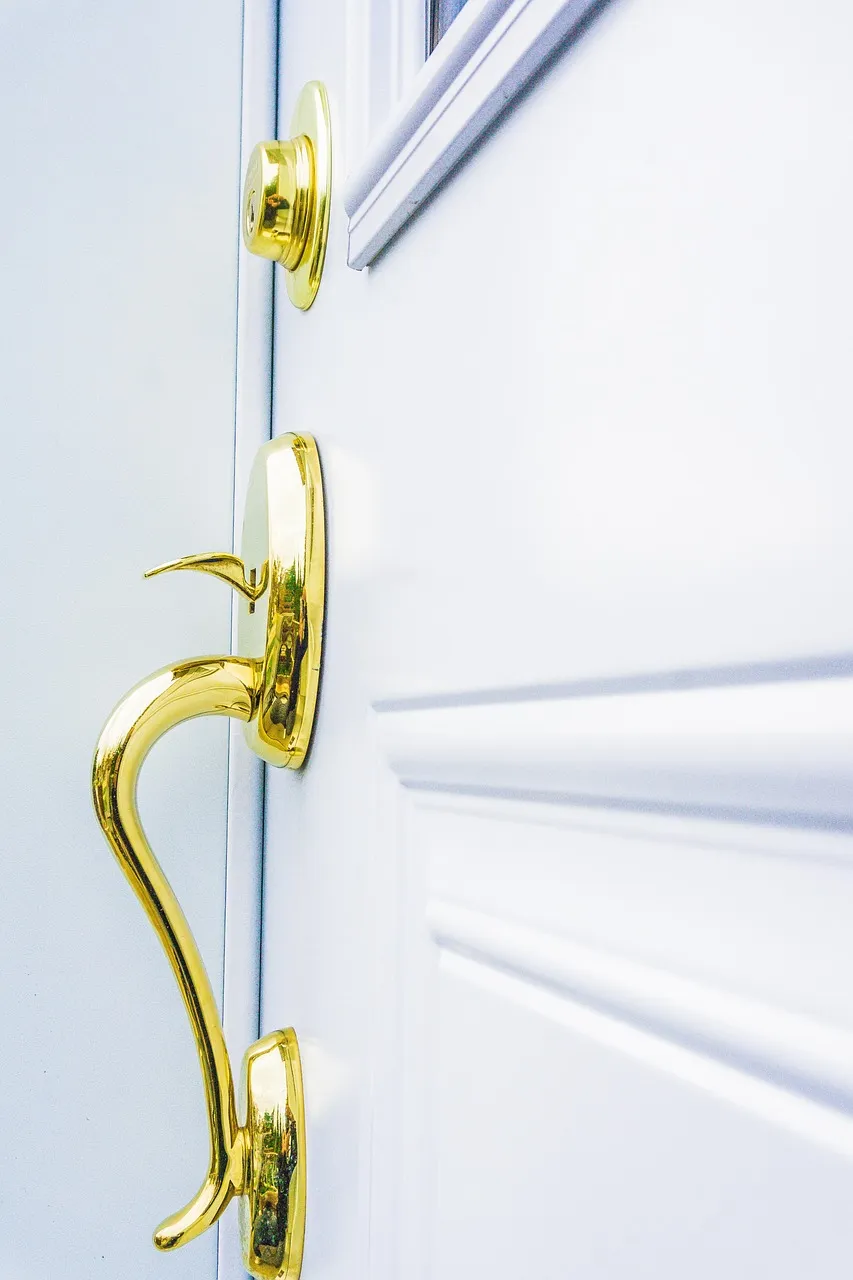
Police advice on home security starts at the front door. Victoria Police suggests deadlocks on all external doors and windows, Tasmania Police says outside doors should be solid core and fitted with deadlocks, and the WA Police Force’s home checklist asks whether your doors are solid core with locks and deadbolts. From there the pages move out to windows, keys, the garden and the days you are away, and in to the things you own.
Six positions of the bolt
Each guide is one step further in the throw of a deadbolt, from the door itself to the record of what is behind it.
If someone is breaking in now
VictoriaVictoria Police says to call Triple Zero (000) if a break-in is happening now, if the person responsible is still at the scene, or if anyone is injured or in immediate danger. Don’t confront the thief: get out, or find a safe place.
Tasmania Police and the WA Police Force put it in their own words, and the guide to what to do after a break-in sets out each of the three in full.
Where the police pages agree
Read side by side, the Victorian, Tasmanian and Western Australian pages share these pieces of advice, each in its own words, and Tasmania Fire Service adds to the one about fire.
- A way out in a fire. Victoria Police says to unlock the deadlock while you are home, so you can get out if there is a fire. Tasmania Fire Service says the best choice is a deadlock that opens from the inside without a key.
- No spare key hidden outside. All three police pages say to remove it. Tasmania Police suggests leaving a spare with a neighbour, friend or relative you trust instead.
- Tools and ladders locked away. Victoria Police’s reason is that thieves can use them to get into your home.
- A garden with nowhere to hide. Victoria and Western Australia both suggest cutting back overhanging branches and trimming shrubs.
- A house number police can find. Victoria Police asks for a number easily seen from the street, and Tasmania Police adds that it should be visible at night as well as by day, so emergency services can find you quickly.
- Valuables out of sight. Victoria and Western Australia both say to keep them away from windows.
Your police force’s own page
Each force publishes its advice differently. These are the pages this guide draws on, state by state; Queensland’s is not among them.
| Where | Page | What it holds |
|---|---|---|
| New South Wales | NSW Police Force: Home safety | Links to a full home safety booklet, a holiday tips flyer and a storage cage fact sheet. |
| Victoria | Victoria Police: Prevent home burglaries | Securing the property and your valuables, making the house look occupied, and what to do after a break-in. |
| Western Australia | WA Police Force: Burglary prevention advice (PDF) | Security tips, a page for noting details after a burglary, and a “How safe is my place” checklist. |
| South Australia | SA Police: Home security | Pages on home security habits, technology to keep your home safe, and security when you’re away. |
| Tasmania | Tasmania Police: Home/residential safety tips | Tips for outside and inside the home, a home security audit checklist, and advice on repeat burglary. |
| ACT | ACT Policing: Property crime prevention | Pages on home, apartment, bike, tool and vehicle security. |
| Northern Territory | NT Police: Community safety | A community safety section on simple ways to lower the risk to your safety. |
Tasmania Police suggests having a locksmith change all of your exterior locks when you move into a new home. That visit is a good time to ask about the deadlocks, keyed-alike window locks and door viewers these guides describe, starting with police advice on doors and locks.